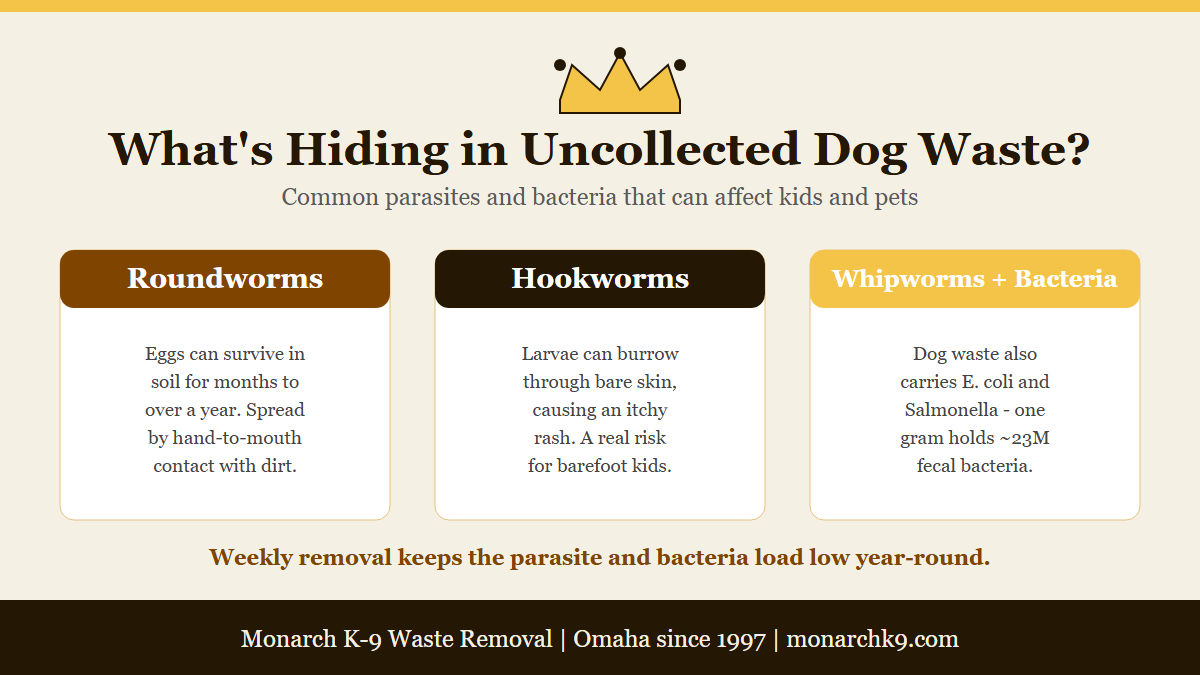
Yes—dog poop can be dangerous for kids and pets. Fresh and aging dog waste can carry roundworms, hookworms, whipworms, and bacteria like E. coli and Salmonella. Most healthy families never get sick, but the risk is real—especially for barefoot kids and curious pets. The good news: a consistently clean yard removes it almost entirely.
If you have little ones making grass angels or a dog who treats the backyard like a buffet, this is worth two minutes of your time. At Monarch K-9 Waste Removal, we’ve kept Omaha, NE yards clean since 1997, and the number one question parents ask us is simple: how worried should I actually be? Here’s the honest, no-scare-tactics answer.
Is dog poop actually dangerous, or is that an exaggeration?
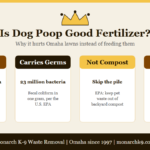
It’s a genuine—but very manageable—risk. Dog waste is classified by the U.S. EPA as an environmental pollutant, and a single gram can contain an average of 23 million fecal coliform bacteria. That doesn’t mean every pile makes someone sick; it means the germs are real, and prompt removal is the simplest safeguard.
Source: U.S. EPA, “Pet Waste and Water Quality” fact sheet.
What parasites live in dog waste?
The most common are intestinal worms: roundworms (Toxocara), hookworms, and whipworms. Dogs shed microscopic eggs or larvae in their stool. People and other pets get exposed by accidentally touching contaminated soil or grass, then their mouth—or, with hookworms, through bare skin.
Can my child really catch worms from the backyard?
Yes, though it isn’t common. The CDC notes children are more likely to be infected when they play where the ground may be contaminated by dog or cat feces, because roundworm eggs are swallowed after hand-to-mouth contact with dirt. Handwashing after outdoor play is a powerful, easy defense.
Source: CDC — About Toxocariasis (roundworm).
Why is barefoot play a specific concern?
Hookworm larvae in contaminated soil can burrow directly into skin—often the foot—causing an itchy, winding rash called cutaneous larva migrans. Per the CDC, this can happen when someone walks barefoot or sits on soil or sand contaminated by animal feces. It’s another reason to keep the lawn clear where kids run and play.
Source: CDC — About Zoonotic Hookworm.
How long do parasites survive in the yard?
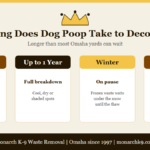
Longer than most people expect. Roundworm (Toxocara) eggs have a tough protective shell and can remain in soil for months, and sometimes a year or more. That’s why a “one big cleanup each spring” approach falls short—eggs left behind can linger through the seasons. Regular removal keeps the count low year-round.
What about bacteria like E. coli and Salmonella?
Dog waste can carry E. coli, Salmonella, and other germs that cause diarrhea, cramps, and nausea in people. It also washes into storm drains and local waterways when it rains. For Omaha families, that’s both a backyard-health issue and a neighborhood water-quality one—one more reason not to let waste pile up.
How do I keep my Omaha yard safe?
Three habits handle nearly all of it: remove waste promptly and consistently, wash hands after outdoor play, and keep pets on a vet’s deworming and parasite-prevention schedule. The first one is the biggest lever—and it’s the one busy families most often let slip. That’s exactly where a scheduled service earns its keep.
How Monarch K-9 keeps Omaha families protected
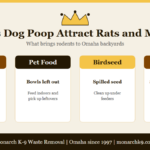
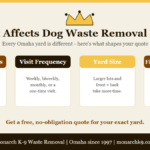
We provide residential dog waste removal across the Omaha metro—front and back yards, gated communities, and everything in between. Choose weekly, biweekly, monthly, or one-time cleanups, plus a seasonal yard refresh to reset a yard that’s gotten away from you. Weekly service is our most popular for households with kids and dogs, because it keeps the parasite and bacteria load low without you lifting a scooper. A clean yard also takes away a food source for rodents: see does dog poop attract rats and mice?
We proudly serve Omaha and the surrounding communities, including Bellevue, Bennington, Council Bluffs (IA), Elkhorn, Gretna, La Vista, Louisville, Millard, Papillion, Plattsmouth, Ralston, Springfield, Valley, Waterloo, and Yutan.
Frequently asked questions
It can still pose a risk. Roundworm eggs are hardy and may stay infective in soil for months to over a year, so dried, aged waste isn’t automatically safe. Removing it promptly and regularly is the reliable fix.
Yes. Dogs can reinfect themselves or pick up new parasites from contaminated ground, which is why vets pair routine deworming with a clean environment. Keeping the yard picked up supports the prevention plan your veterinarian already recommends.
For homes with children or multiple dogs, weekly removal is the sweet spot—it keeps parasite eggs and bacteria from building up between visits. Biweekly works for lighter needs. Not sure? We’ll help you choose the right cadence for your yard.
DIY works if you’re truly consistent. The risk creeps in when life gets busy and cleanups get skipped for a few weeks. A scheduled service guarantees the yard stays clear, so protection never depends on a free Saturday.
Yes—Monarch K-9 Waste Removal serves the Omaha metro and nearby towns like Papillion, La Vista, Bellevue, Elkhorn, and Council Bluffs. If you’re in or around Omaha, we very likely cover your neighborhood.
Keep your family’s yard safe
You shouldn’t have to think twice about letting the kids and the dog out back. Keep your family’s yard safe—get a Free Quote at monarchk9.com or call (402) 537-4649. We’ll handle the dirty work, so your yard stays a place for play, not worry.
By David Ortleb, Owner, Monarch K-9 Waste Removal — serving Omaha since 1997.